
Call us for a quote on +353818001590
Rat Control: Expert Solutions for Rat Infestations
Finding evidence of rats in your home or business is a serious concern that requires immediate action. In Ireland, the Brown Rat and Black Rat are common pests that pose significant health risks, including the spread of Salmonella and Leptospirosis (Weil’s Disease), while causing costly structural damage by gnawing through wires and woodwork. At Rentokil, our certified technicians provide rapid, discreet, and effective rat removal services across Dublin and nationwide. Whether you are dealing with a localised infestation or need long-term rodent proofing to protect your premises, we offer tailored rat control solutions to clear your property and prevent rats from returning.
Rats: An Essential Guide to Understanding and Managing Infestations
Rats are among the most prevalent pests encountered, presenting a serious threat to public health, property integrity, and personal comfort. If you have detected signs of rats, swift and decisive action is critical to protection.
At Rentokil, we combine over 100 years of experience in pest control with leading innovative technology and compliance with best practice guidelines to protect properties from rat infestations safely and effectively. Whether you have observed gnawing, heard suspicious sounds at night, or discovered droppings, our qualified technicians deliver discreet and dependable solutions across the country.


The Significant Risks of Rat Infestations
A rat infestation can rapidly escalate from a minor nuisance to a major structural and health hazard. Rats continuously gnaw through materials like wood, insulation, and electrical cables, which not only necessitate expensive repairs but also pose a serious fire risk. Their urine and droppings are vectors for serious zoonotic diseases, including Weil’s disease (Leptospirosis), Rat-bite fever, and Salmonellosis.
For commercial operations, a rat problem can result in product contamination, severe damage to corporate reputation, and non-compliance with Food Safety and Health & Safety regulations. Rentokil’s best practice-compliant pest control ensures risks are mitigated responsibly while maintaining full operational compliance.
Understanding Rat Ecology and Behaviour
Rats are highly intelligent and adaptable rodents that quickly exploit the weak points within any structure. Understanding the distinct habits of common species is essential for effective infestation prevention and control.
Common Rat Species in Ireland
In Ireland, you're most likely to encounter two main types of rats:
Brown Rat (Rattus norvegicus): Also known as the common rat, street rat, or sewer rat. These are typically larger, stockier, and grey-brown in colour. They are often found at ground level, preferring burrows and sewers, but are excellent climbers and can easily get into buildings. Found nationwide, including offshore locations like Lambay Island.
Black Rat (Rattus rattus): Also called the ship rat or roof rat. These are slimmer with larger ears and a longer tail. Historically found more in ports, they are now less common but can still be an issue, especially in urban areas. They are agile climbers and prefer to live in elevated spaces like attics and upper floors.
Our targeted treatments include identification of the species present, enabling technicians to select the safest and most scientifically appropriate control methods.


How Rats Infiltrate Properties
Rats are anatomically capable of squeezing through gaps as small as 2 cm (approximately the width of a thumb). This means a rat can gain access through an opening no larger than a €2 coin. They are also adept climbers, able to scale rough brickwork, utility cables, and drainage pipes to reach upper levels and roof spaces.
Common Rat Access Points Include:
- Compromised Drainage: Uncapped or fractured sewer pipes, abandoned connections after construction, or gaps where utility plumbing exits walls (e.g., behind outdoor taps or indoor appliances).
- Perimeter Voids: Gaps beneath doors or around loading bay dock levellers, particularly where seals or brush strips are worn or damaged.
- Structural Defects: Even hairline cracks in mortar or weep vents can be widened by determined rats. They will use their strong teeth to chew, dig, or enlarge any vulnerable point to create an entry route.
- Utility Intrusions: Openings around gas lines, air bricks, or cable entry points for telecommunications or power supplies.
Rats possess the strength to gnaw through plastic, wood, and soft metals. Rats may also dig aggressively around concrete foundations if surrounding soil or insulation provides an easier path. Furthermore, they can climb inside vertical drainage or soil stacks to access properties through broken joints or roof vents.
Rentokil’s Flexi Armour proofing solutions are designed to eliminate these critical entry pathways.
How to Get Rid of Rats at Home
When homeowners ask how to get rid of rats at home, they often start with off-the-shelf products. While DIY methods can help manage a single stray rodent, complete rat control requires a two-pronged approach: removing active rodents and sealing off their entry points so they cannot return.
Here is a practical, step-by-step breakdown of how to handle an infestation effectively:
-
Step 1: Remove food sources and shelter - Rats have an incredible sense of smell. Store all pantry food in airtight glass or metal containers, clear away pet food bowls overnight, and ensure outdoor rubbish bins have tight-fitting lids.
-
Step 2: Seal structural entry points - A rat can squeeze through a gap as small as 20mm (roughly the size of a 20c coin). Inspect your property's exterior and seal cracks around pipework, air bricks, and door sills using wire mesh and strong mortar.
-
Step 3: Set targeted rat traps correctly - Place traps along walls and known travel routes where rats scurry, rather than in the middle of open rooms. Use high-protein baits like peanut butter or chocolate spread rather than cheese.
-
Step 4: Call in local rodent pest control experts - If traps remain empty while signs of activity continue, contact a certified rodent removal specialist to identify hidden nests and apply professional-grade treatments.
What Are the Best Rat Traps in Ireland?
Choosing the right trapping strategy depends on the location of the infestation and whether you have children or pets in the house.
- Break-Back Snap Traps: The traditional snap trap remains one of the most effective tools for fast rat removal. Modern heavy-duty plastic designs are easier to set and clean than older wooden models.
- Enclosed Tamper-Resistant Bait Stations: These robust, lockable boxes house rodenticide or internal snap traps securely. They keep poisons completely out of reach of children, cats, and dogs, making them the safest choice for residential gardens and homes.
- Electronic Rat Traps: Delivering a high-voltage shock, these battery-powered traps offer a humane and quick dispatch, making them ideal for indoor areas like lofts, pantries, and under stairs.
Note on DIY Poison: Loose rat poison bought over the counter can be hazardous if placed incorrectly, as rats may drag bait into accessible areas or die in inaccessible wall cavities, causing unpleasant odours.
Identifying a Rat Infestation
Most rat infestations are confirmed by the residual evidence rather than direct sightings. Key indicators include:
- Rat Droppings: Dark, spindle-shaped feces found concentrated behind appliances, in attic spaces, or near food storage areas.
- Gnaw Marks: Visible teeth indentations on structural wood, plastic containers, and especially electrical wiring—a clear sign of active rat foraging.
- Tracks & Burrows: Distinctive 'runs' along skirting boards or walls, or visible burrows near outdoor structures like sheds, decking, or compost bins.
- Noises at Night: Auditory evidence such as scratching, scuttling, or scurrying sounds originating from within walls, ceilings, or under floorboards.
- Rat Nests: Accumulations of shredded materials like insulation, cardboard, or paper gathered in quiet, secure, and warm locations.
If you identify any of these critical signs, immediate contact with your local Rentokil rat control expert is recommended for a professional inspection.
Effective Rat Control Methods
DIY traps may capture isolated rats but are rarely sufficient to address the source of a widespread infestation. Rentokil employs an Integrated Pest Management (IPM) approach that combines secure, professional solutions:
- Traps and Bait Stations: We deploy secured, tamper-resistant boxes containing traps or licensed, professional-grade rodenticides. These are used exclusively by trained technicians in compliance with all relevant guidelines.
- Environmental Proofing: This involves sealing all entry points, improving sanitation and waste disposal protocols, and removing external nesting habitats.
- Hygiene Guidance: Providing expert advice on how to reduce the availability of food and water sources.
Our pest experts utilise targeted techniques designed specifically for the unique challenges of both residential and commercial environments.
The Rentokil Process
Why Localised Rodent Control Matters
Whether you live in a detached rural house, an urban housing estate, or are dealing with rats from the flats adjacent to your property, rodents move quickly between connected structures via shared drains, roof spaces, and cavity walls.
Off-the-shelf sprays and a couple of snap traps rarely solve a shared structural problem. Our targeted rat rodent control programmes focus on finding the root cause such as broken sewer pipes, unsealed vents, or external overgrown vegetationnto protect your entire living space from recurring visits.
How to Identify and Safely Handle Rat Droppings
Discovering rodent droppings is often the first visible sign of an active infestation. Because rats defecate up to 40 times a day, droppings quickly accumulate near nesting sites, along travel routes, and close to food sources.
Recognising the appearance of rat droppings and knowing how to handle them safely, is crucial for protecting your health and taking fast action against the infestation.
Key Characteristics of Rat Droppings
To determine whether you are dealing with rats or mice, inspect the size and shape of the droppings carefully:
- Size & Shape: Brown rat (Rattus norvegicus) droppings are typically 12mm to 20mm long (roughly the size of a dark bean or olive pit) with rounded, blunt ends.
- Colour & Texture: Fresh droppings are dark brown, moist, and shiny with a putty-like texture. Older droppings turn dull, grey, brittle, and crumble easily when disturbed.
- Location: You will most commonly find clusters of droppings along skirting boards, under kitchen appliances, inside wall cavities, in lofts, near boiler rooms, or close to gnawed food packaging.
Health Risks Associated with Rat Feces
Rat droppings are a primary vector for dangerous human pathogens. As droppings dry out, they break down into microscopic dust particles that can easily become airborne when swept or vacuumed.
Inhaling contaminated dust or touching contaminated surfaces can spread serious diseases, including:
- Leptospirosis (Weil’s Disease): Transmitted through contact with rat waste, potentially leading to liver and kidney complications.
- Salmonellosis: Bacterial food poisoning caused when rats track fecal matter across food preparation counters and utensils.
- Hantavirus: A severe respiratory illness contracted by breathing in airborne dust contaminated with dried rodent droppings or urine.
Safe Cleaning Protocol for Rat Droppings
Never use a broom or a standard household vacuum cleaner on dry rat droppings, as this launches infectious dust particles directly into the air you breathe. Follow these safety steps instead:
- Ventilate the Area: Open windows and doors for at least 30 minutes before starting to clean.
- Wear Protective Gear: Put on rubber or latex gloves and an N95 or FFP3 dust mask.
- Disinfect First: Thoroughly spray the droppings and surrounding area with a disinfectant or a 1:10 bleach-to-water solution. Let it soak for 5 to 10 minutes to wet the droppings and neutralise pathogens.
- Wipe Clean: Pick up the soaked droppings using a paper towel, seal them in a plastic bag, and dispose of them in an outdoor bin. Clean the entire floor or surface again with disinfectant.
- Wash Up: Remove gloves, dispose of them safely, and wash your hands thoroughly with hot water and antibacterial soap.
Protecting Your Business from Rats
For commercial enterprises, rat infestations can be catastrophic, leading to stock loss, severe reputational damage, and non-compliance with critical food safety and health legislation. Rentokil provides discreet, fully auditable rat control programmes tailored for all sectors. We conduct thorough on-site risk assessments, provide digital reporting accessible 24/7, and create precise service plans customised to your premises’ specific operational needs.
Rentokil’s Advanced Rat Control Solutions
- PestConnect 24/7 Digital Monitoring: Our innovative PestConnect system provides continuous digital monitoring for rodent activity. When rats are detected, the system automatically alerts our technicians, ensuring a rapid response before a minor issue can escalate into a full infestation.
- Dual Autogate Systems: Dual Autogate Systems are designed to open only when rodent activity is confirmed. This significantly reduces the environmental exposure of rodenticide while maintaining fast and effective control.
- Comprehensive Site Inspections: Every treatment starts with a full-scale survey of your property to definitively identify entry points, nesting areas, and all contributing factors. Our experts then design a control plan precisely suited to your unique risks and requirements.
Rats
Helpful information to deal with rats.
Rat Proofing: The Best Prevention
Prevention is the most sustainable and cost-effective method of pest control. Denying rats access to food, water, and shelter dramatically reduces the likelihood of future infestations.
- Store all food in sealed metal or glass containers.
- Ensure all kitchens and outdoor utility areas are kept meticulously tidy.
- Secure external bins with tight-fitting, robust lids.
- Maintain drainage systems and repair all structural gaps immediately.
Rentokil’s Flexi Armour range offers robust, professional proofing solutions for both homes and businesses.
Rentokil’s Advanced Rodent Proofing – Flexi Armour
Our Flexi Armour range provides durable, long-term solutions that prevent rats from entering through even the smallest structural gaps:
- Flexi Seal: An exclusive proofing product containing metal wires designed to securely seal pipe entries and small aperture gaps within properties.
- Weep Vents: Breathable steel mesh inserts that permit necessary airflow while physically blocking rodent access to cavity walls.
- Dock Levellers: Custom-engineered, tight-fitting seals for loading bays, which are a frequent weak point in logistics and warehouse environments.
- Door Seals: Flexible, hard-wearing barriers designed for roller shutters and standard pedestrian doors.
By successfully sealing these entry points, Flexi Armour significantly reduces the reliance on rodenticides and supports your environmental sustainability objectives.
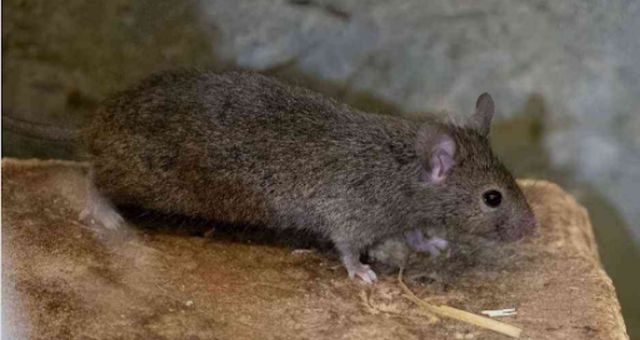
Proactive Rat Prevention Tips
Adopting a few simple, consistent habits can make a vast difference in deterring rats:
- Store all waste and refuse in robust, lidded bins.
- Regularly clean bird feeders and remove all fallen seed debris.
- Keep gardens and external areas free from clutter, debris, and refuse.
- Avoid placing cooked food waste into compost bins.
- Inspect and maintain all drains and sewer access points regularly.
Contact Rentokil: Your Rat Control Experts
Do not allow a rat infestation to compromise your home or business. With nationwide coverage and fully qualified technicians, Rentokil is the trusted name in rat control and prevention.
Call us today or book your inspection online to eliminate rats quickly, safely, and responsibly.
Frequently Asked Questions about Rats
-
What is the best way to get rid of rats?
Professional rat control is the quickest and most definitive solution to a rat infestation. Rentokil technicians accurately identify entry points and apply targeted treatments to resolve the specific issues facing your property.
-
Is it normal to see a rat in your garden?
Occasional rat sightings may occur in your garden, but consistent activity suggests a nearby rat population. Keep your external areas tidy and contact Rentokil for a professional inspection.
-
What scent will keep rats away?
While certain odours may offer temporary rat deterrence, they do not resolve an established rat infestation. Professional rat proofing and rigorous hygiene practices are essential for long-term prevention.
-
What do rats eat?
Rats are opportunistic omnivores and will consume grains, general refuse, pet food, and even compost. Eliminating access to these diverse food sources reduces attraction.
-
Are rats dangerous?
Yes. Rats carry several diseases transmissible to both humans and animals, making prompt action crucial. Additionally, their constant need to gnaw can cause significant property damage and fire risks.
-
How do I get rid of rats permanently?
To achieve the best possible permanent rat control solution, you must combine professional-grade elimination with robust structural proofing. This involves sealing every entry point larger than a €2 coin—such as gaps in vents or around pipes—with durable materials like wire wool or metal plating. Because many Irish rat infestations begin in the sewers, installing a one-way non-return valve in your drainage pipes is essential to stop rodents from swimming up into your home.
-
Are exterminators worth it for rats?
Hiring a professional is generally the safest and most effective way to handle a rat infestation because technicians have access to high-potency treatments not available to the public. Experts can identify hidden rat nesting sites and structural vulnerabilities that are easily missed by homeowners using standard DIY kits. A professional ensures that hazardous treatments are applied safely, protecting your family and pets while giving you the best chance at a long-term result.
-
How do I permanently get rid of rats?
Permanently clearing your home of rats requires moving beyond temporary rat traps and focusing on a total protection strategy. Once the current rat colony is removed, you must sanitise the area to erase the pheromone trails that attract new rodents to the site. By securing the perimeter of your house with permanent barriers and maintaining a clean environment free of food waste, you effectively break the cycle of infestation for good. There can never be a guarantee in pest control, but Professional rat control solutions give you the best chance at sustained rat eradication.
Next Steps
Find your local service